
Town center storefront signage
Lower Fairfield County, CT
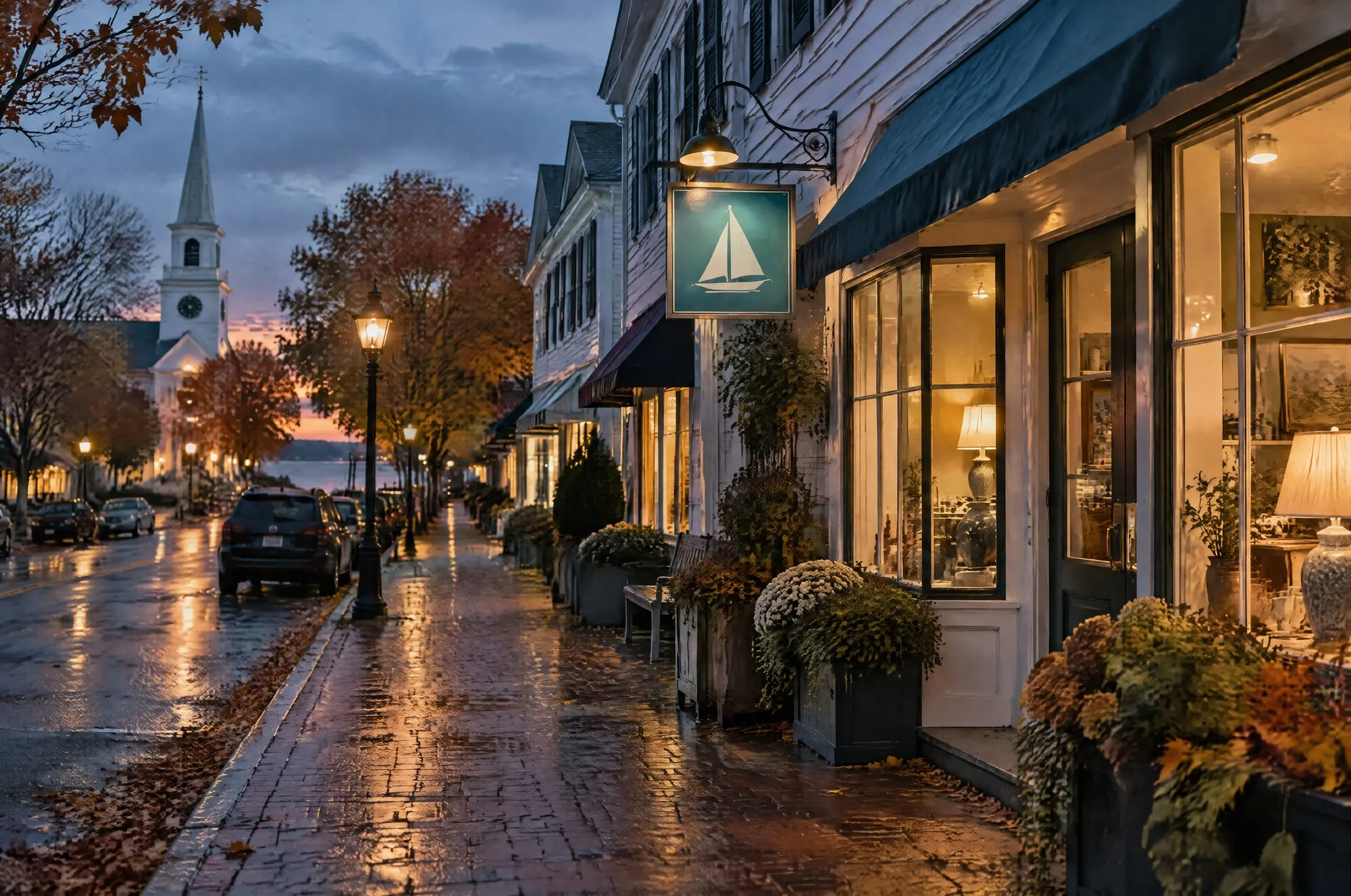
A modest face-lit cabinet sized to the town limit, mounted on clapboard with a painted backer so the sign reads as part of the facade rather than an addition.
CT · Connecticut
We build in the Bronx and install through lower Fairfield County and up the shoreline, from Greenwich storefronts to Stamford office parks. Connecticut permits are granted town by town, and several towns add a separate historic or design review before a sign can go up.
Connecticut is the smallest share of our work and the most paperwork per square foot. Each town runs its own zoning and building review for signage, and the towns we work in most — Greenwich, Stamford, Norwalk, Westport — treat sign review as a design question, not a clerical one. Setback, sign area, illumination type and color are all regulated, and a sign that is fine in the Bronx can be rejected in a town center.
We start those jobs with the ordinance, not the artwork. Before we design anything we pull the sign regulations for the specific address, check whether the property is in a historic district or a design overlay, and confirm what the town will actually approve. That step adds a week and saves the alternative: fabricating a sign that has to be redesigned.
The building stock changes what works. Downtown Greenwich and New Canaan favor modest letter heights, painted or halo-lit letters and awnings that read as architecture rather than advertising. Stamford and Norwalk have more conventional commercial corridors where a face-lit cabinet sign or channel letter set is still the right answer. The shoreline towns also take salt air, which is why we specify stainless hardware and powder-coated frames on exterior work there.
The travel is real but manageable, and we schedule it so measurements and installs share a trip. The build does not change for Connecticut: a printed cabinet sign runs two to three weeks, channel letters three to five weeks, a storefront awning two to four weeks, and a full cargo van wrap one to two days of install. Permits and any required design review are quoted as a separate line item, not buried in the fabrication.
Where we actually work
Town center design review is strict on letter height and illumination; halo-lit letters and awnings clear more easily than bright cabinet signs.
Dense commercial corridors and new residential towers; most ground-floor retail signage here is cabinet or channel letter work.
Wall Street and the SoNo district mix older facades and design overlay rules; fabric awnings and blade signs carry the identity.
Downtown signage is reviewed for character; painted and halo-lit treatments read as appropriate where face-lit acrylic does not.
Industrial and port-adjacent blocks where fleet graphics and larger monument signs do the work.
Small-footprint retail with tight sign-area limits; projecting blade signs and window graphics cover what the fascia cannot.
Route 6 and Route 7 commercial strips where pylon and monument signs are the visible format.
Longer haul from the shop, scheduled as a combined measurement and install trip.
Recent work
Lower Fairfield County, CT
A modest face-lit cabinet sized to the town limit, mounted on clapboard with a painted backer so the sign reads as part of the facade rather than an addition.
Fairfield County, CT
Fixed canvas awnings with sewn valances across three adjoining storefronts, in a color approved by the district review, with stainless frames for the shoreline climate.
Stamford, CT
Matched partial wraps across a service fleet, installed in one scheduled trip so no more than two vehicles were off the road on any day.
Most requested here
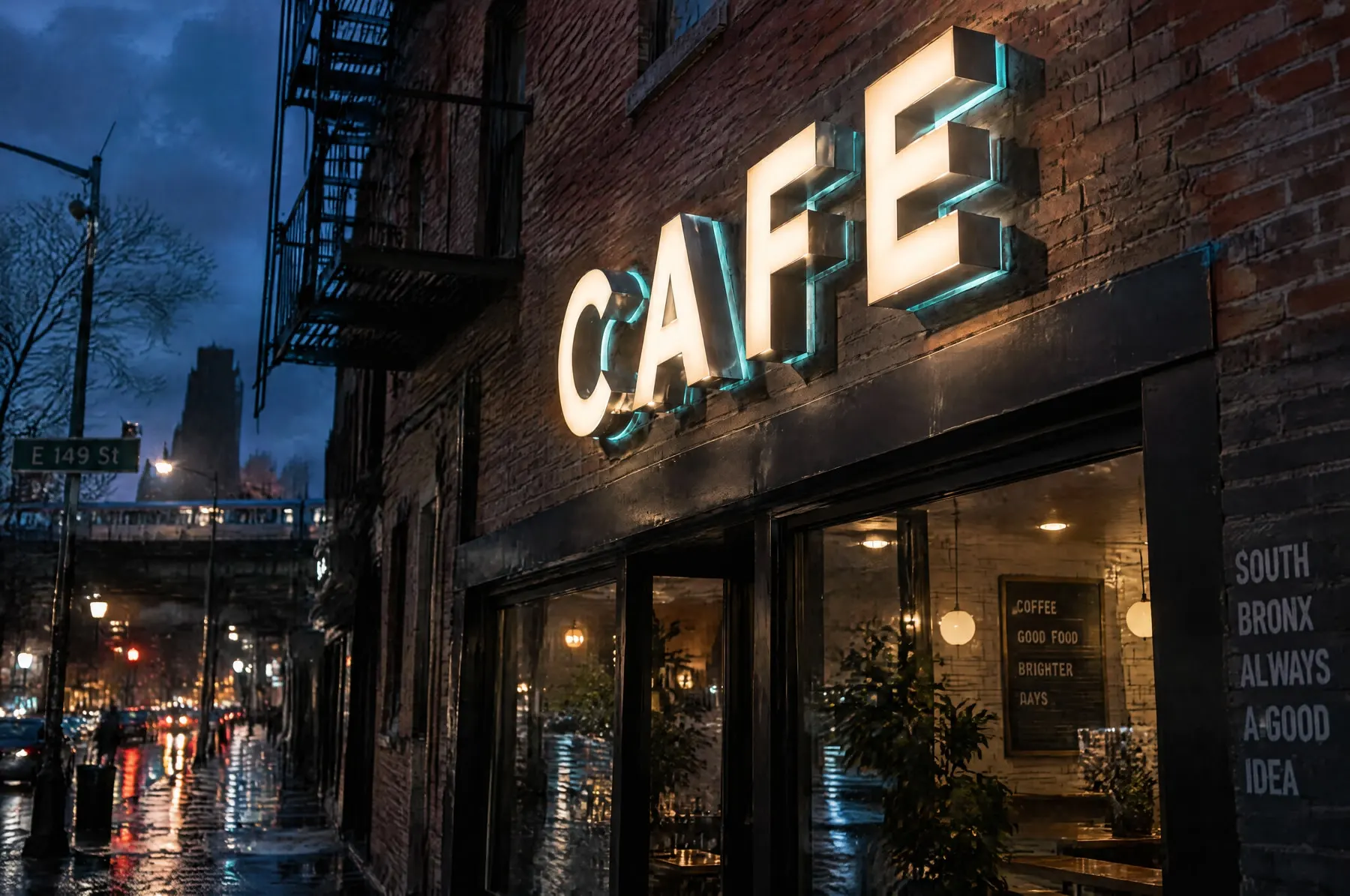
Custom illuminated letters fabricated in-house — face-lit, halo-lit or front-and-back — engineered for NYC weather and inspected for permits.
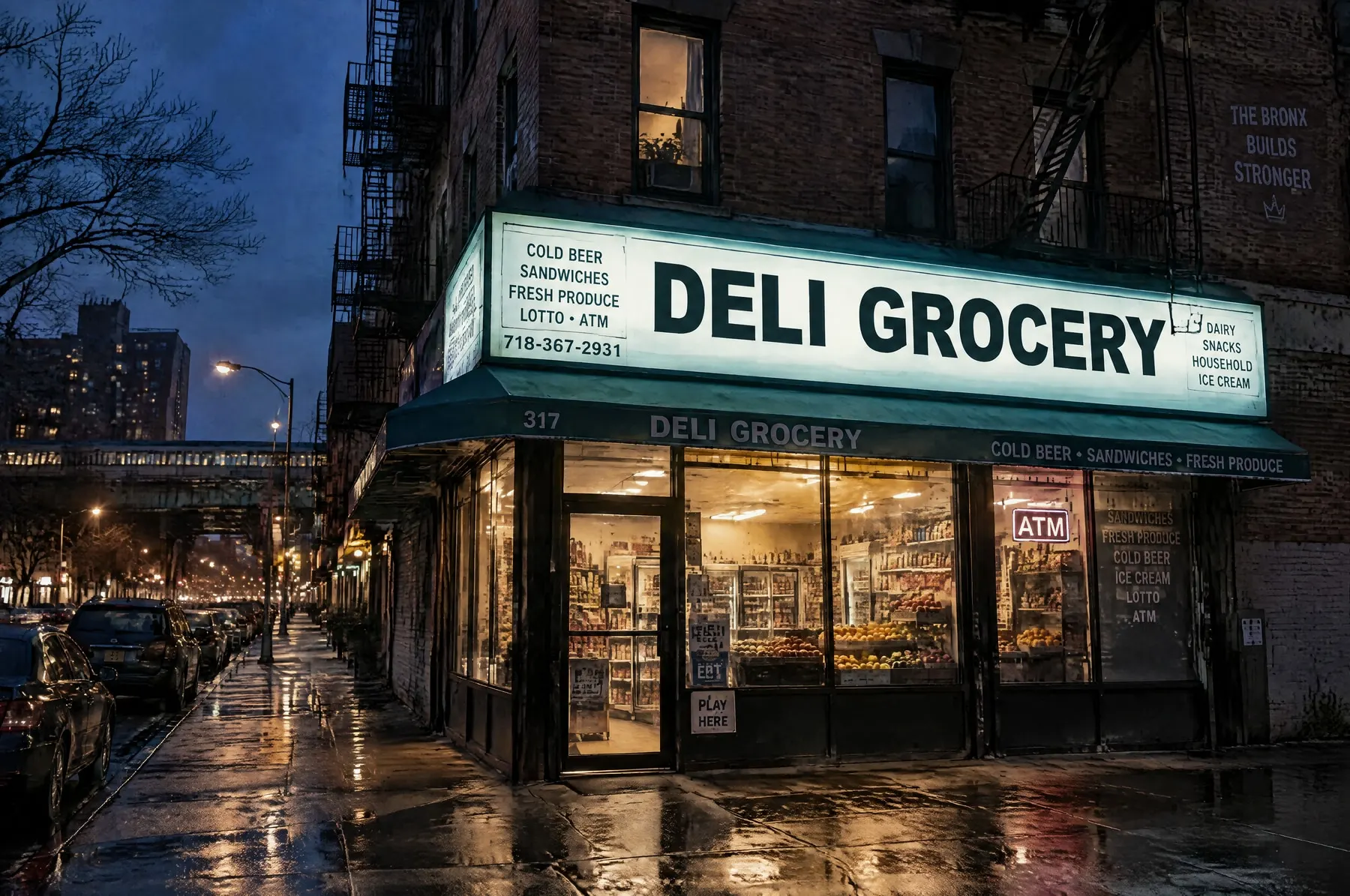
Cabinet signs, monument signs and complete storefront sign packages that make a block-corner business impossible to miss.
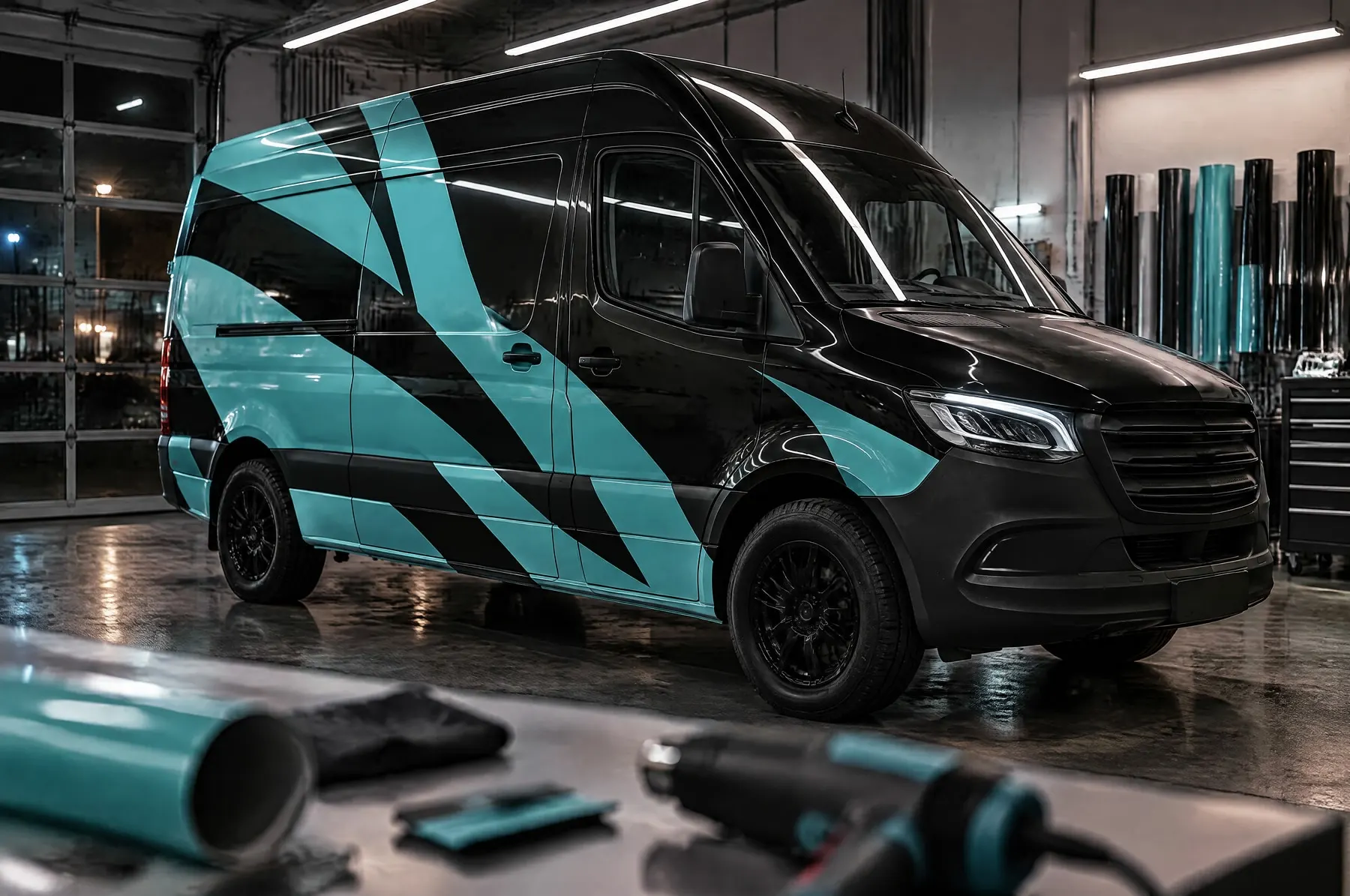
Full and partial wraps in 3M and Avery cast vinyl, installed by certified hands. Tight edges, no bubbles, color that survives the Belt Parkway.
Local questions
Permits, timelines and coverage, answered for this specific market.
Yes. We measure, fabricate in the Bronx and send our own crew for the install. Trips are scheduled together so a single visit can cover a measurement and an installation, which keeps a second trip out of the schedule. Most of our Connecticut work is in lower Fairfield County.
The town or city where the property sits, not the state. Each municipality has its own zoning regulations for sign area, height, placement and illumination, and several town centers add a design or historic review on top of the permit. We pull the ordinance for your address and file with the authority that has jurisdiction before anything is fabricated.
Because sign regulation in Connecticut towns is often written to protect the character of a center rather than to maximize commercial visibility. Letter height, illumination type, color and the proportion of the facade that can be covered are all commonly restricted. A face-lit cabinet sign that is normal on a Bronx avenue can exceed the limit in a Greenwich or New Canaan district.
It does. On shoreline work we specify stainless fasteners, powder-coated aluminum frames and sealed LED compartments, because salt spray corrodes standard zinc hardware and gets into poorly sealed cabinets. It is a small upgrade that avoids a service call in year three.
Add roughly a week to the New York timeline for the town review. A printed cabinet sign runs two to three weeks plus review, channel letters three to five weeks, and a storefront awning two to four weeks. If the property is in a district with design review, expect an additional meeting cycle.
Next step
Tell us about the storefront, the vehicle or the project. You get ideas and a clear price within one business day.
Mon–Fri 9–6 · Sat 10–5 · Shop visits by appointment