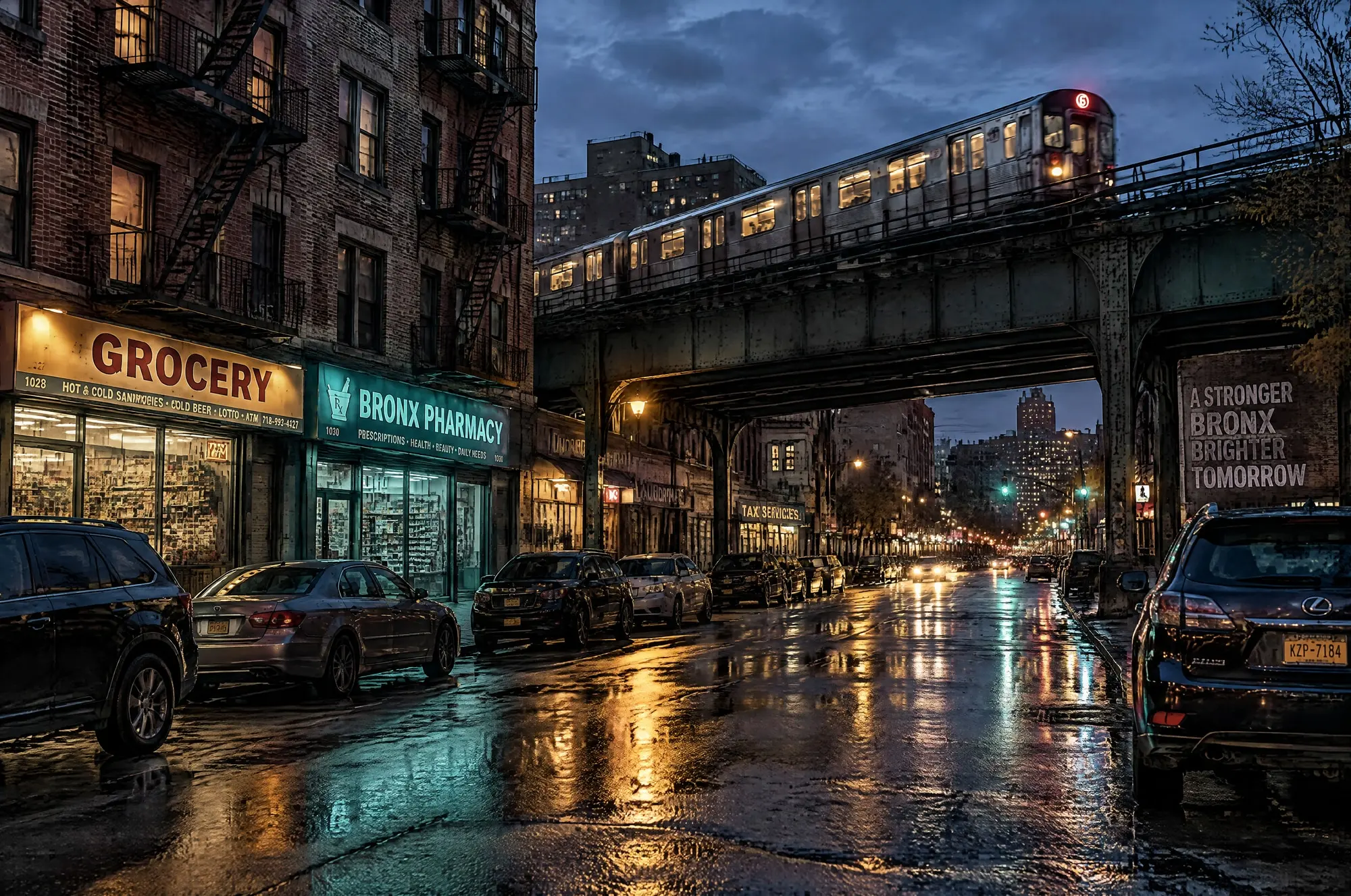
NewGen builds and installs signs across all five boroughs from our shop in the South Bronx, so a Manhattan storefront or a Brooklyn retail strip does not pass through a subcontractor on the way to the wall. We file the DOB permit, handle Landmarks review where it applies, and put our own crew on the install.
The five boroughs are not one market. A 14-foot fascia on a Brooklyn avenue is a different job from a 6-foot storefront under a Manhattan co-op, and Staten Island work usually means a pylon or monument sign read from a parking lot. We quote from the building, not from a template: the fascia depth, the mounting substrate, the setback and the lighting all get photographed before we quote.
Permits are the long pole in Manhattan. An exterior sign needs a DOB sign permit, and if the building sits in a landmark district such as SoHo, Tribeca, Greenwich Village or parts of Harlem, the Landmarks Preservation Commission reviews the design as well. The drawing set has to satisfy both, and the copy, dimensions and projection on the approved drawing are what get built. We file before fabrication and do not schedule an install date until the approvals are in hand.
Install access is the other half of city work. Loading windows, sidewalk space, freight elevators, building rules and insurance requirements decide when a crew can work, not the fabrication schedule. We plan deliveries and installs inside the building’s allowed hours, carry the certificate of insurance a management office asks for, and keep the electrical tie-in coordinated with the building’s electrician so the sign is not sitting on the wall waiting for a circuit.
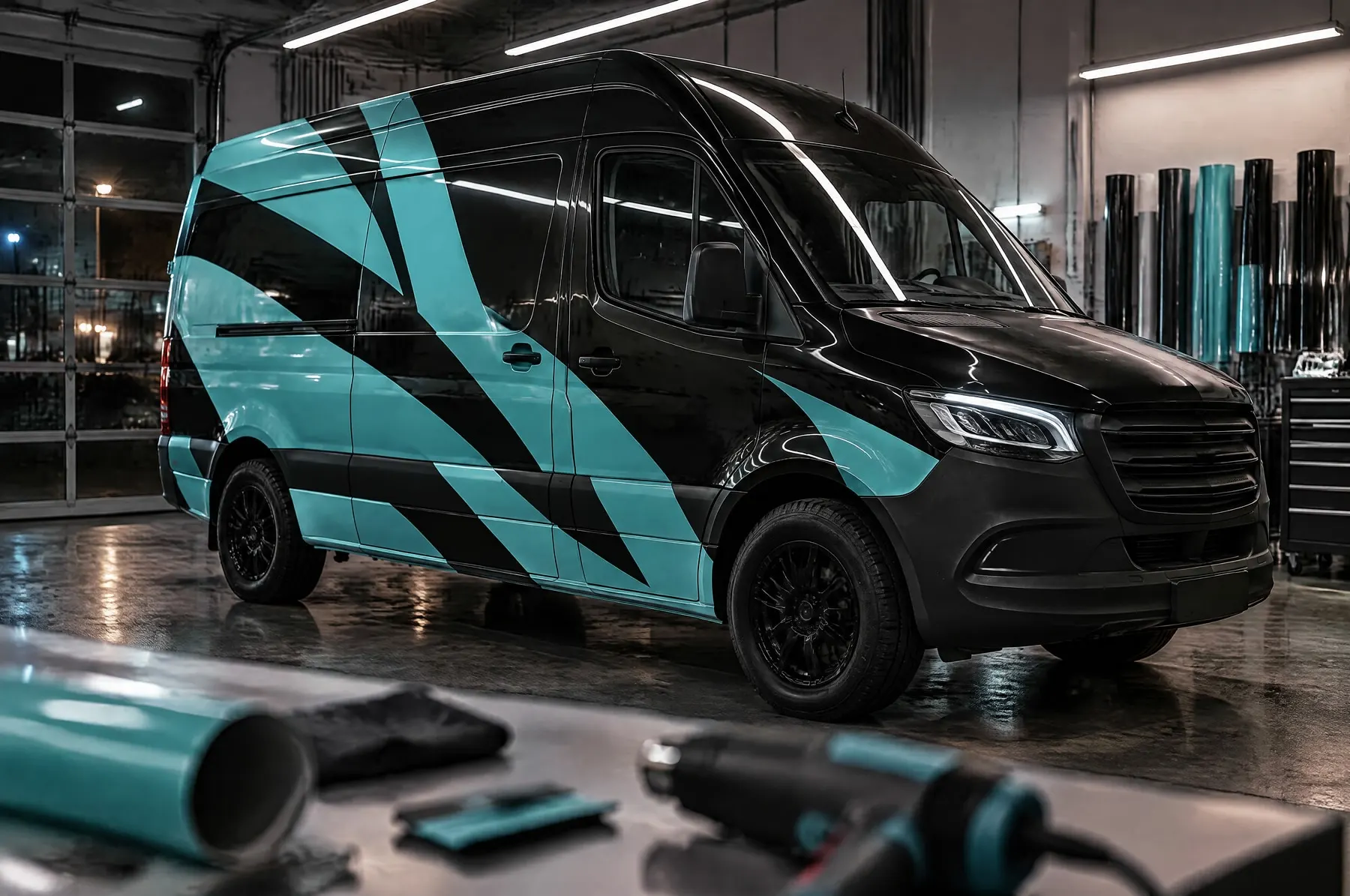
Not every job is a storefront. Window graphics are quoted by measured square footage, a full cargo van wrap takes one to two days of install time in the shop, and LED repair on an existing sign is diagnosed before a technician is sent. Awnings take two to four weeks, cabinet signs two to three, and channel letters three to five once the artwork is approved.
Where we actually work
New York City, block by block.
Manhattan
Midtown and the avenues, where building rules, sidewalk sheds and co-op boards can add approvals before the DOB filing is even reviewed.
SoHo & NoHo
Cast-iron landmark blocks where the Landmarks Preservation Commission reviews letter style, projection and mounting, not just the square footage.
Harlem
125th Street’s retail corridor, where illuminated cabinets and blade signs compete with heavy foot traffic on a wide sidewalk.
Brooklyn
Flatbush Avenue and the Sunset Park retail strips, where long fascias and low buildings suit channel letters and full-width cabinets.
Williamsburg
New-build retail along Wythe and Kent, where a landlord’s design guidelines are often stricter than the permit.
Queens
Steinway Street in Astoria and Roosevelt Avenue in Jackson Heights, dense blocks where a projecting blade sign earns its keep.
Long Island City
Ground-floor retail under residential towers, where drawings go through the building architect before they go to the DOB.
Staten Island
Hylan Boulevard strip centers, where pylon and monument signs are read from the parking lot rather than the sidewalk.
Recent work
Installed in New York City.
channel-letters
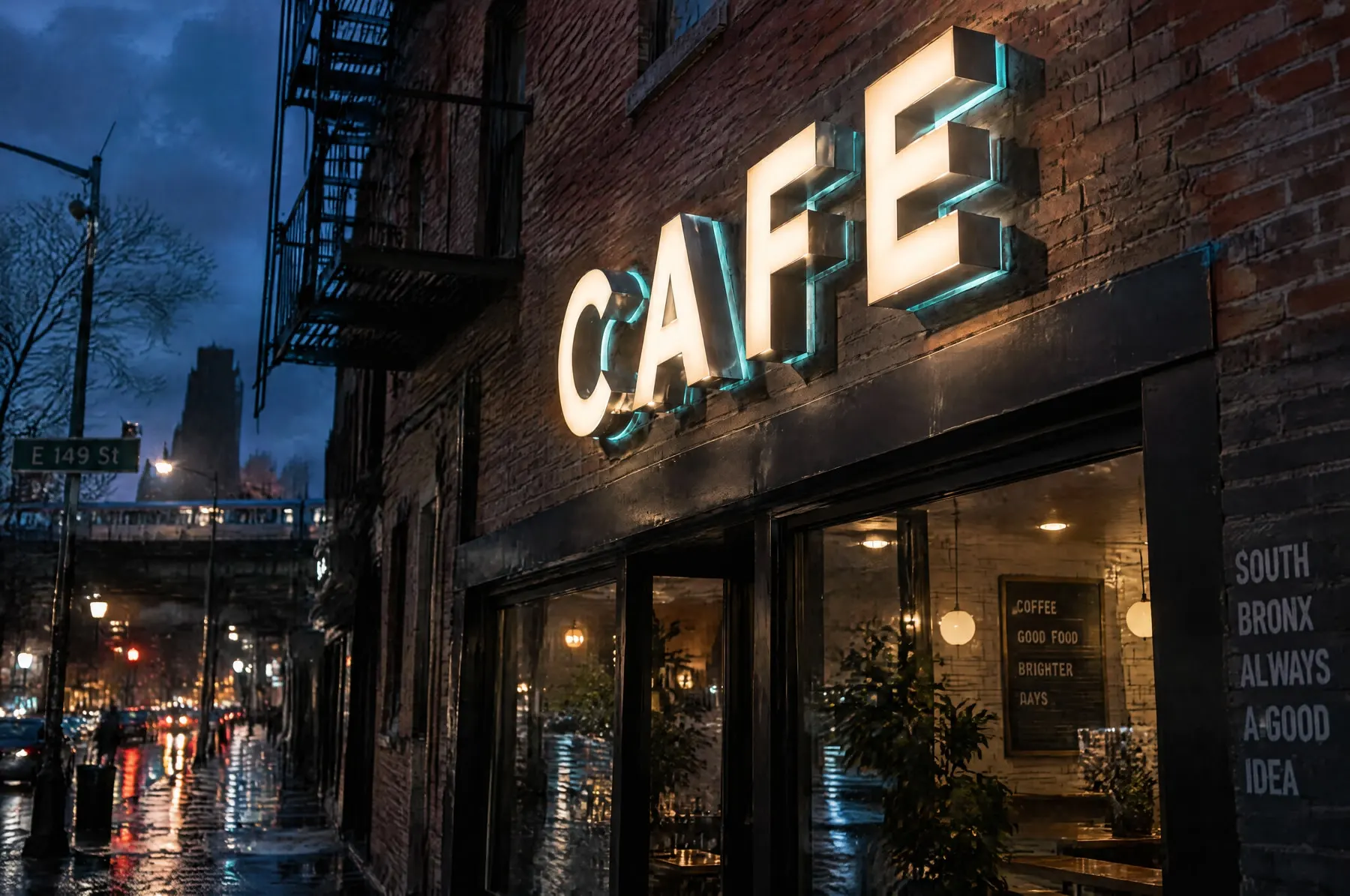
Halo-lit channel letters, landmark district storefront
Manhattan, NY
Reverse-lit letters on a dark raceway above a cast-iron storefront, drawn to Landmarks review standards and built on the three to five week channel letter schedule after approvals came through.
storefront-signs
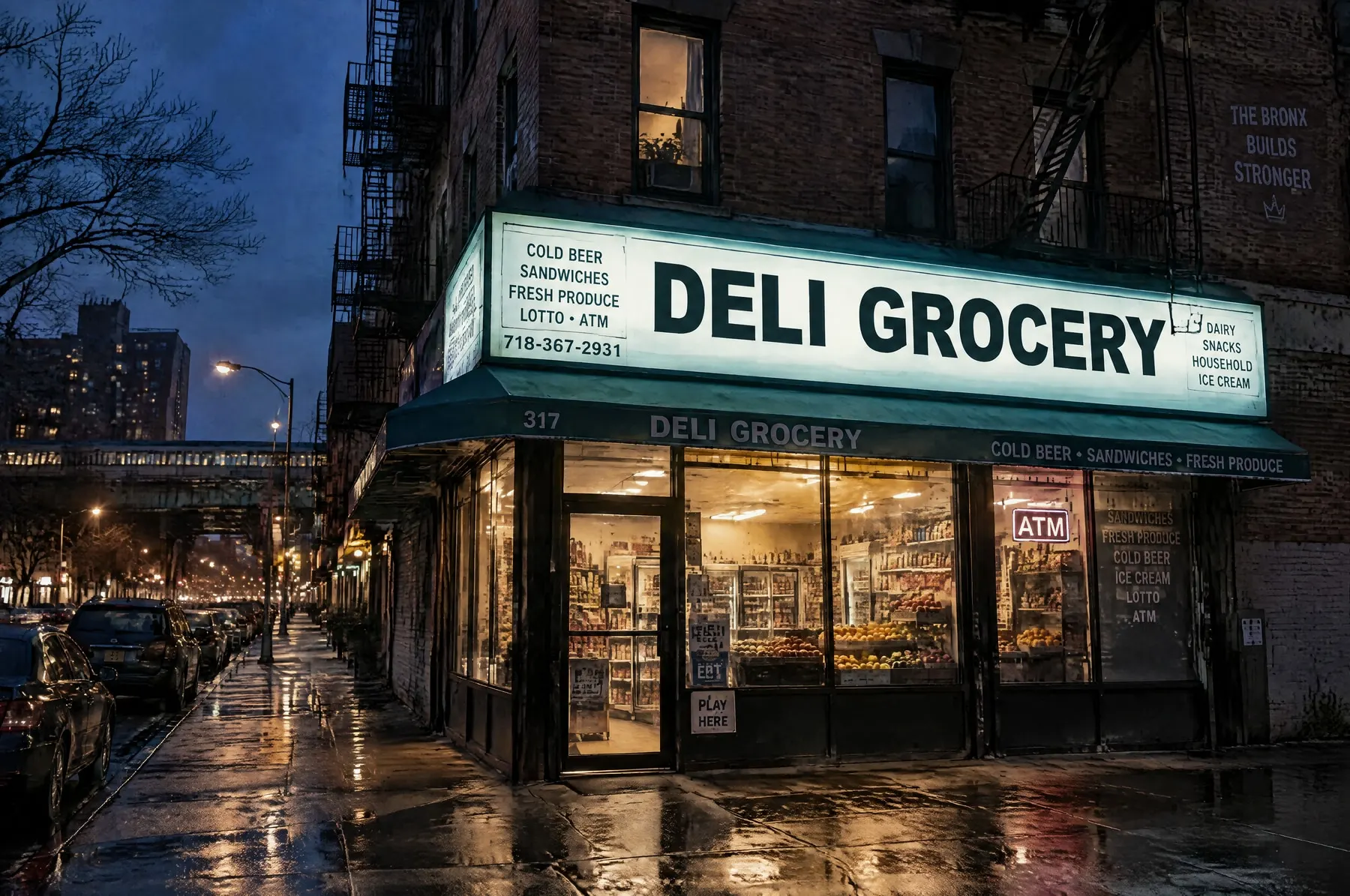
Illuminated cabinet sign, Brooklyn retail strip
Brooklyn, NY
A full-width cabinet replacing a faded panel sign on an existing frame, LED-lit and installed in the two to three week cabinet window.
awnings
Storefront awning run, Queens
Queens, NY
A fixed awning with sewn valance lettering across a multi-bay storefront, fabricated and installed in two to four weeks.
Permits, timelines and coverage, answered for this specific market.
Do I need a DOB permit for an exterior sign in New York City?
Yes. An exterior sign requires a DOB sign permit, and the application has to match the sign’s dimensions, copy, illumination and mounting location. In a landmark district the design also goes to the Landmarks Preservation Commission before a permit is issued, which is why we file early and do not fabricate until both approvals are in hand.
How long does a Landmarks Preservation Commission review take?
The commission sets its own calendar, so the review runs separately from the DOB filing and we do not quote a fixed number of days for it. What we control is the submission: measured drawings, photographs of the facade, the proposed letter style and mounting details, all prepared before the application goes in. On a landmark job the LPC approval is scheduled into the project before an install date is promised.
What do channel letters cost in New York City?
The quote is built from letter count, letter height, face-lit or halo-lit construction, the raceway run, and whether a new circuit is needed at the sign location. A halo-lit set takes more fabrication and installation time than a face-lit set because the spacing and standoffs have to be precise. Landmark review, oversized letters and a curved facade each add work. The quote comes from photographs and a measurement, not a per-letter rule of thumb, and it is free.
Can you install a sign in Manhattan with limited loading and building rules?
Yes, and the logistics are planned before the crew leaves the Bronx. We confirm the loading window, the freight elevator, the certificate of insurance and the sidewalk space the building or landlord requires, then schedule the delivery and the install to match. If the building only allows after-hours work, the install is staffed and scheduled for that rather than squeezed into a daytime slot.
Do you repair signs in Manhattan and Brooklyn that another shop built?
Yes. LED modules, drivers, ballasts, failed faces and storm damage are all repairable on signs we did not install. We diagnose from photos first, price the fix from the parts and hours the sign actually needs, then send a technician with those parts instead of quoting a replacement by default.
Next step
Let’s make your brand impossible to miss.
Tell us about the storefront, the vehicle or the project. You get ideas and a clear price within one business day.